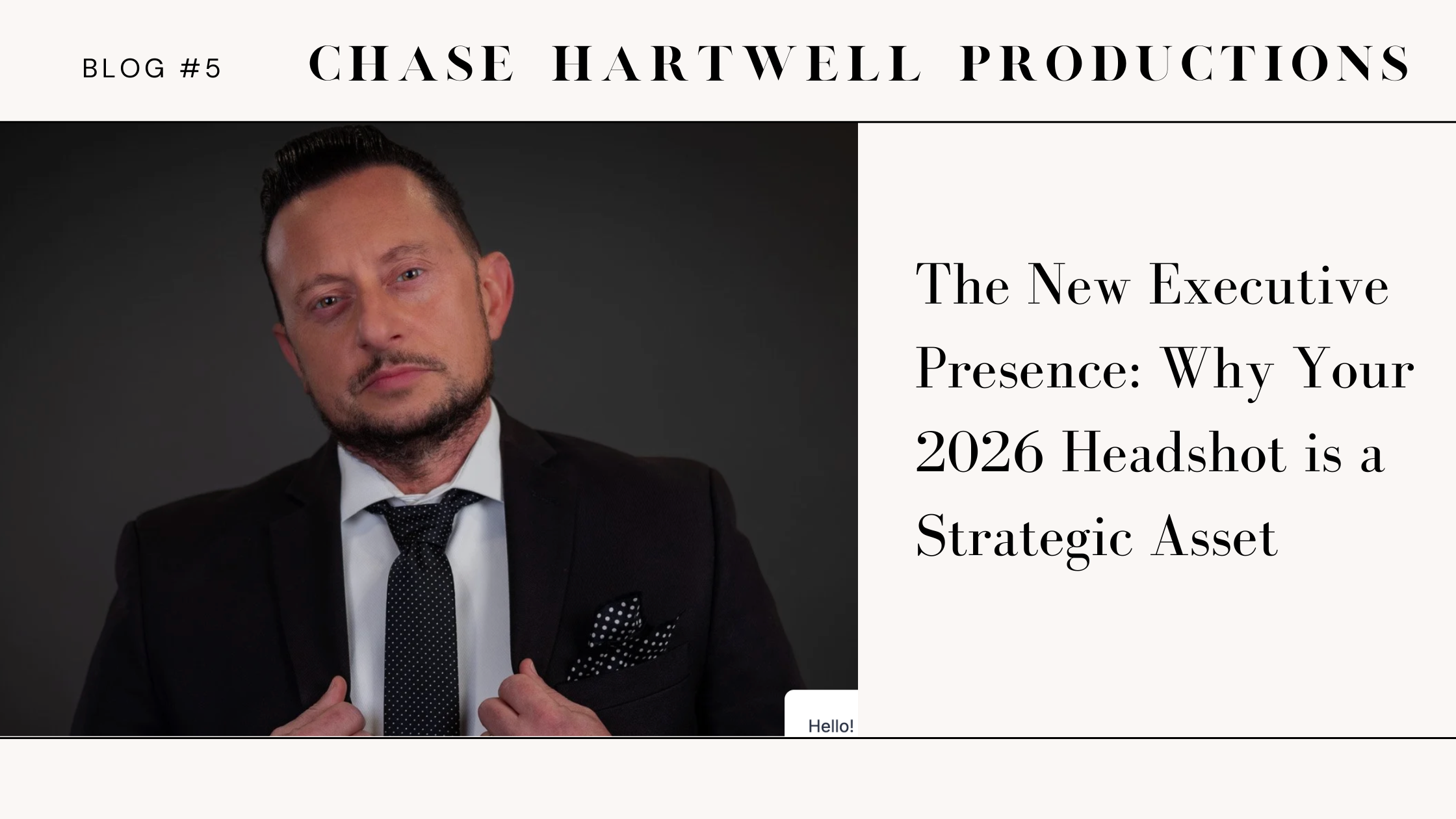
The New Executive Presence: Why Your 2026 Headshot is a Strategic Asset
Why it's essential to upgrade your leadership brand with Nashville Executive Headshots that stand out in the AI-saturated market of 2026.
In the current professional landscape, your first impression rarely happens in a boardroom. It happens on a screen. As we navigate 2026, the "digital-first" executive presence has evolved from a luxury to a critical business requirement.
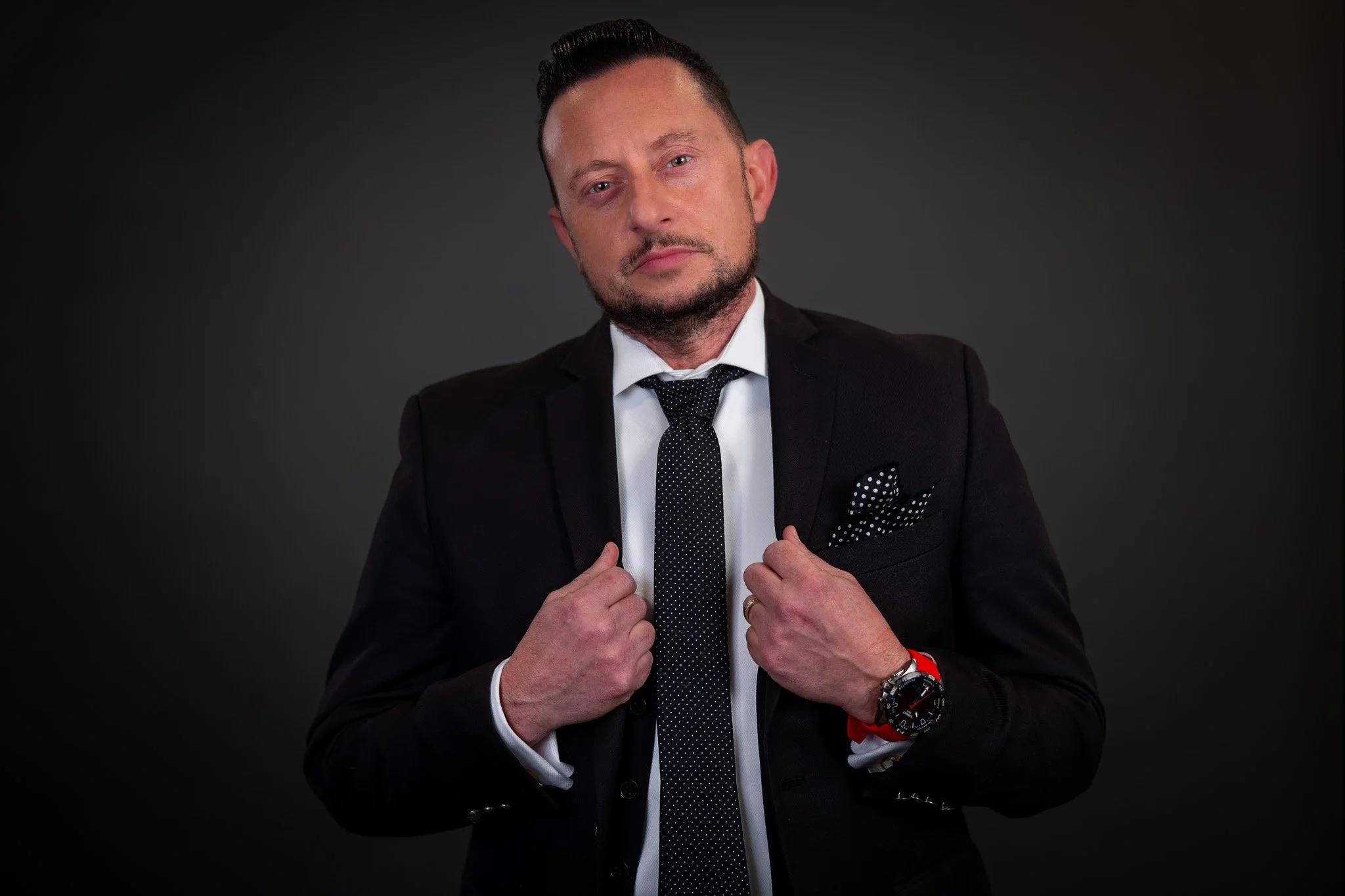
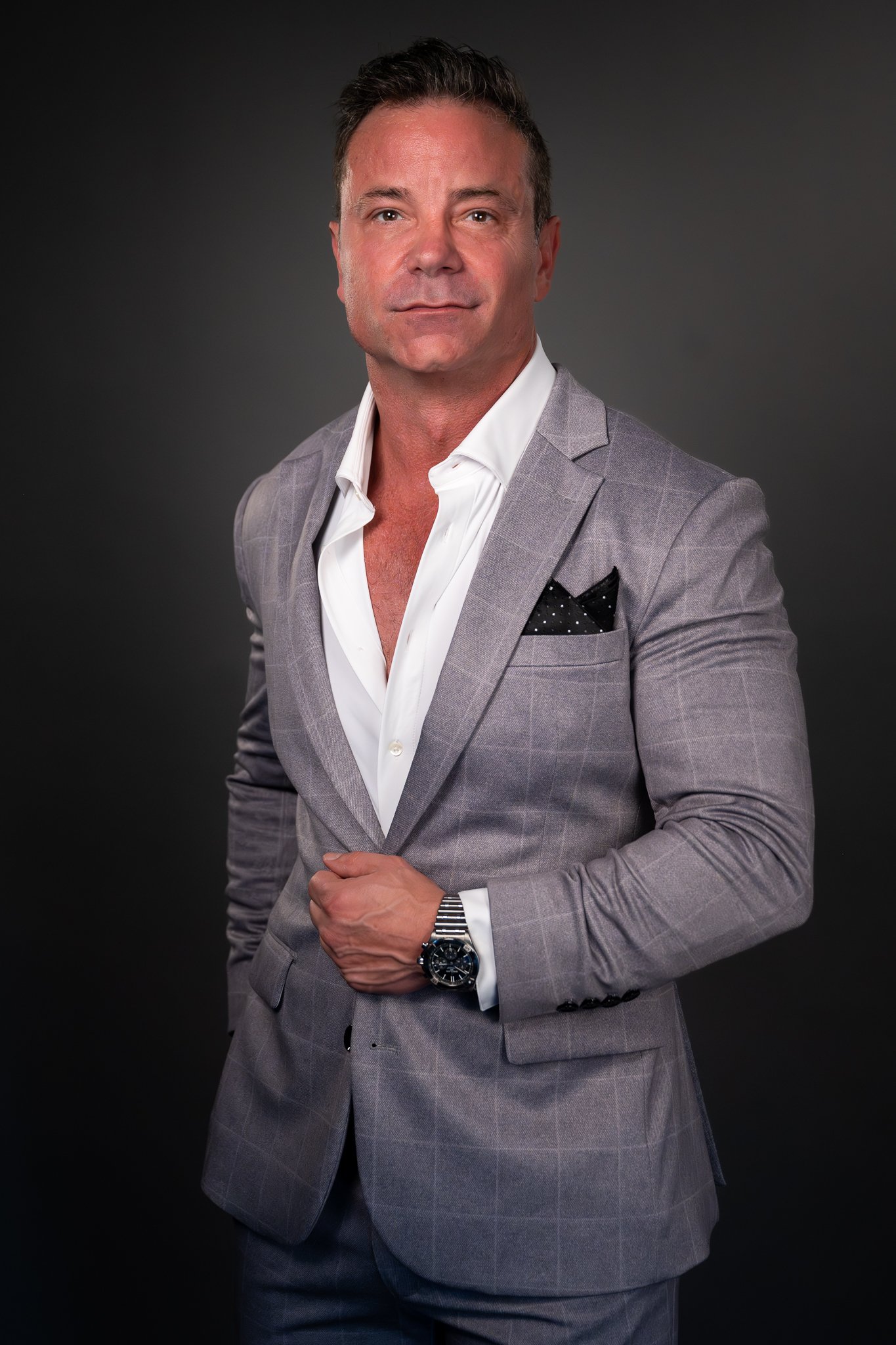
The question isn't whether you have a headshot, but whether that headshot accurately reflects the authority, stability, and vision you bring to your organization. In the Nashville market, mediocrity is the most expensive mistake an executive can make; if your image doesn't project instant, assured leadership, you’re already trailing the competition.
The "Authenticity Deficit" of AI
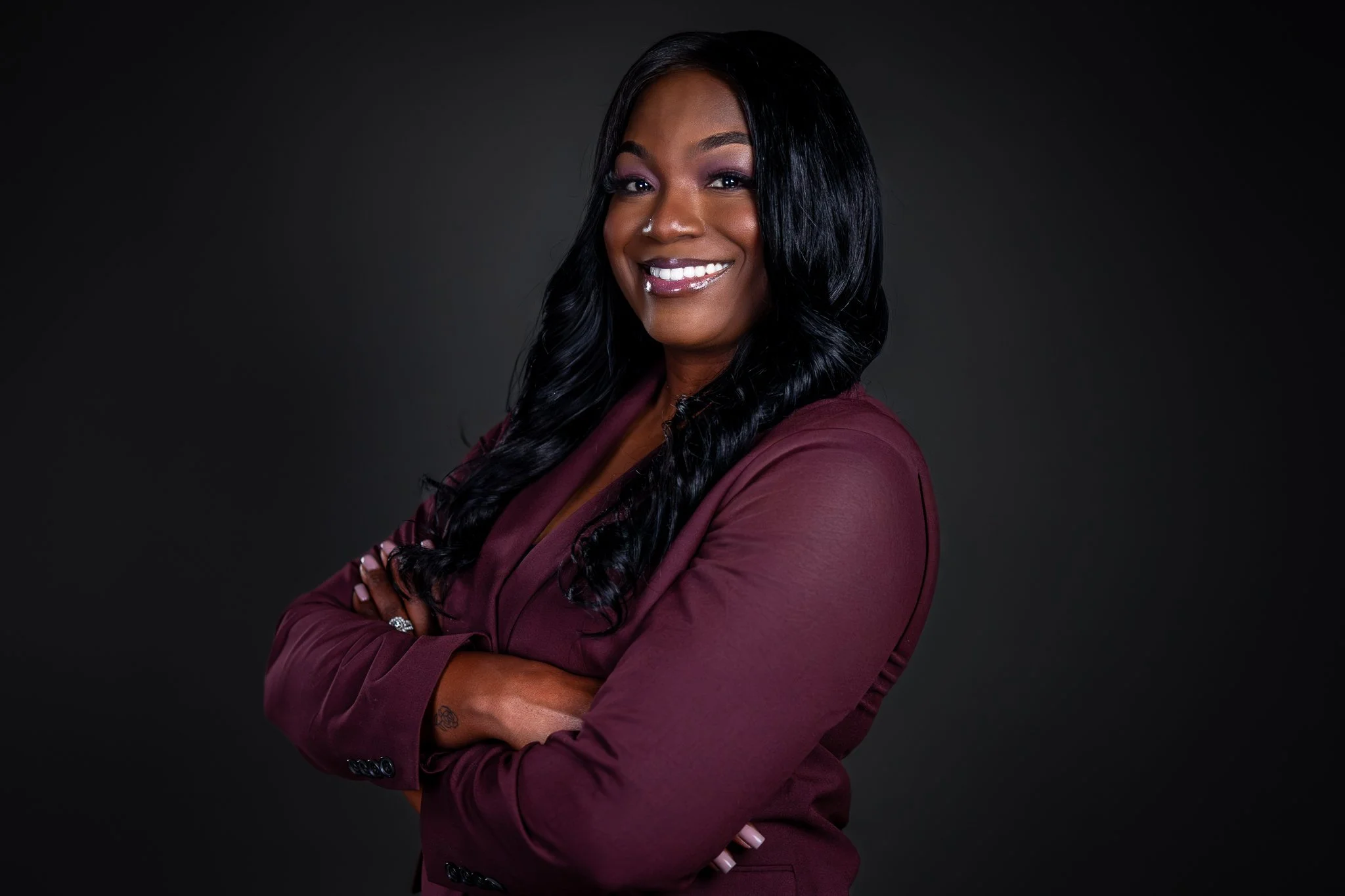
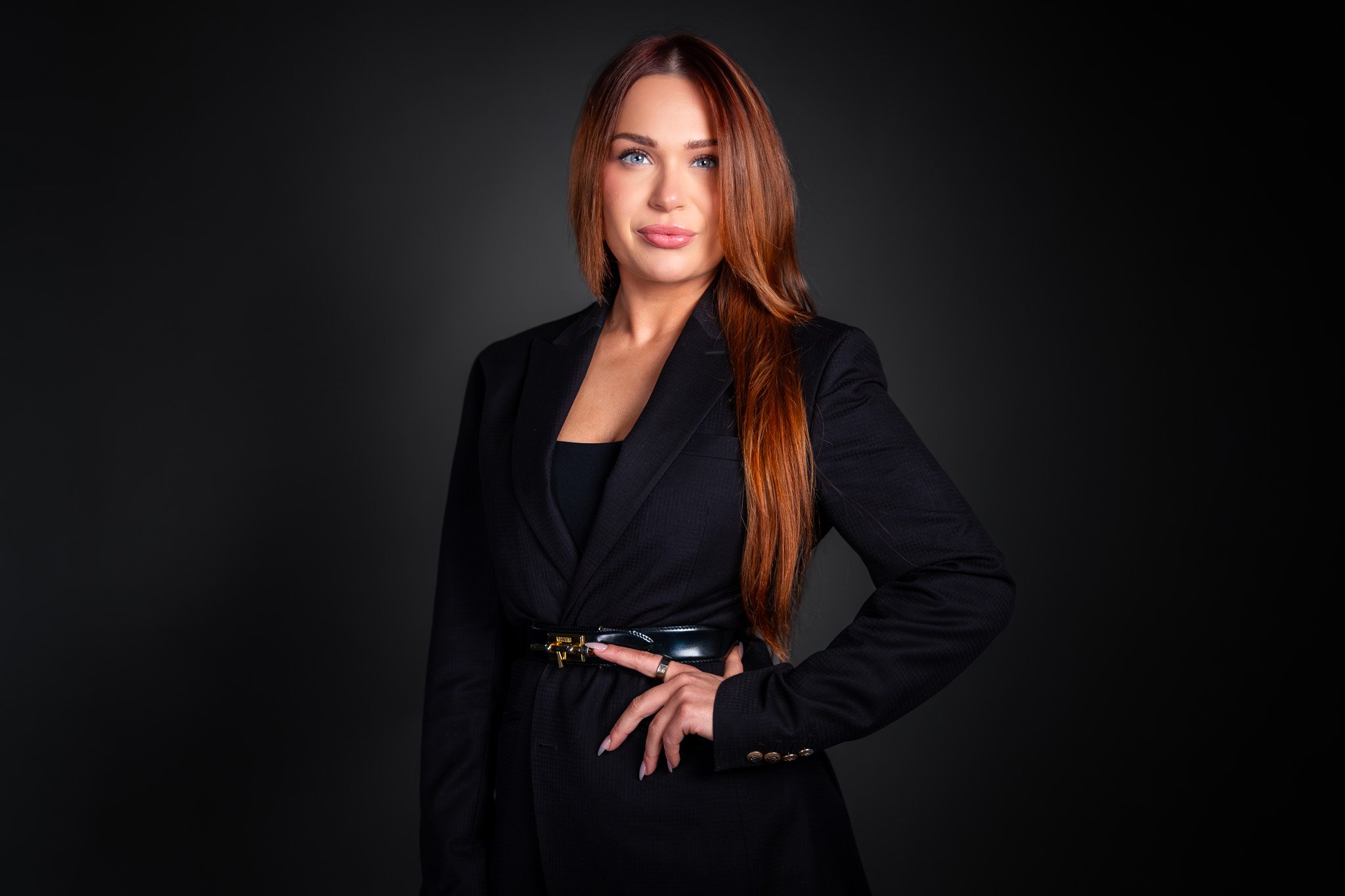
By 2026, the novelty of AI-generated headshots has worn off. High-level investors and partners can now spot "synthetic" faces instantly. In a world of deepfakes, authenticity is a premium. A professional session at Chase Hartwell Productions captures the subtle micro-expressions of confidence and "approachable authority" that an algorithm simply cannot replicate.
Standing Out in the Market
Nashville’s executive market is more crowded than ever. Whether you're appearing on a panel at Imaging USA or updating your LinkedIn for a board seat, your image must signal seniority. Today's executive look is polished but organic. Think darker neutral backgrounds (charcoal and deep navy) that frame the face with "architectural" lighting. An updated portrait ensures your internal growth is visible externally, aligning your personal brand with your current level of influence.
Visual Consistency Across the "Omni-Channel"
Your headshot no longer just sits on a "Staff" page. In 2026, it travels through:
LinkedIn Thought Leader Ads (TLAs): Which now drive 3x more engagement than corporate posts.
Virtual Keynote Banners: Where high resolution is non-negotiable.
Investor Pitch Decks: Where trust is won or lost in the first five seconds.
There is an undeniable psychological shift that occurs when you know your professional imagery is world-class. You aren't just buying a photo; you are investing in a visual foundation that supports every move you make.
Don't let an outdated or "synthetic" image undermine your leadership. Chase Hartwell Productions provides a seamless, high-end experience tailored for the busy executive. We understand the Nashville market, and we know how to make your visual brand work as hard as you do.
How to Style Restaurant Food “On the Fly”
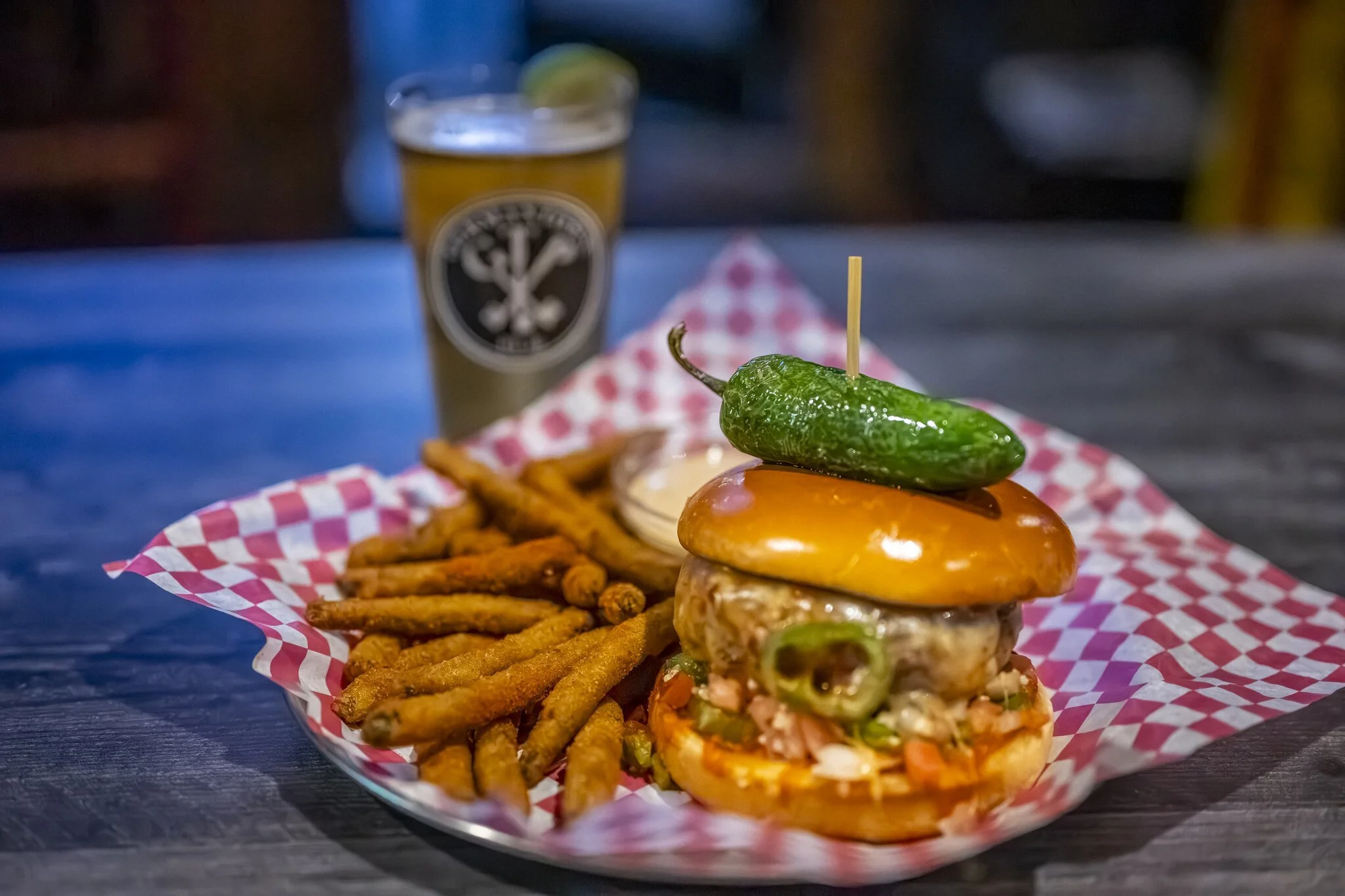
As a restaurant photographer, you don’t always have the luxury of a climate-controlled studio and a team of stylists. Most of the time, you’re in a cramped corner of a kitchen with a burger that’s been sitting under a heat lamp for twenty minutes.
Forget the YouTube tutorials about silicone molds and gelatin syrup. When you’re in the field, you need to know how to bring “dead” food back to life and build a hero shot using what’s in your bag.
Based on our latest session with Lisa from Chase Hartwell Productions, here is how to master the art of the “on the fly” food build.
Before you even pick up your camera, you need the right tools. Lisa’s "secret weapons" aren't fancy—they are practical.
The "On the Go" Food Styling Kit
Essential Gear for your Kit:
Glycerin & Spray Bottles: The ultimate trick for making "dead meat" look juicy again.
Precision Tongs: For placing garnishes exactly where you want them without smudging the bun.
Disposable Nitrile Gloves: Keep the grease off your gear and your fingerprints off the food.
Damp Paper Towels: Perfect for adding a subtle, natural sheen to a bun without making it look fake.
Pro Tip: If you’re shooting a menu with multiple items, always shoot the "hard to fix" things first—like sizzling fajitas or melty cheese. Save the burgers and fried bar food for last, as they are easier to "resurrect."
The Anatomy of a Hero Burger
When the kitchen hands you a burger in a box, it’s usually a mess. To get the shot, you need to take it apart and rebuild it from the ground up.
The "Front-Facing" Rule
You aren't shooting a 360-degree video; you're shooting a photo. Pick the best side of the bun and the patty, and rotate everything to face the lens.
Use a "Prop" Fry
Is your burger leaning too far back? Don't reach for toothpicks yet. Lisa suggests taking a home fry, squishing it slightly, and tucking it under the back of the patty. This "kickstand" tilts the ingredients forward toward the camera, making the burger look towering and delicious.
The Order of Operations
If there's no lettuce, follow Lisa’s theory: Onion down first, then the tomato, then the bacon. Fold your bacon strips in half to create more volume and surface area. Remember: if the camera can't see it, it doesn't exist.
Bringing Meat Back From The Dead
We’ve all been there: the kitchen is backed up, and by the time the burger reaches your lens, the patty looks dry and grey.
This is where your Glycerin spray comes in. A light spritz of a glycerin and water mix mimics the look of hot grease and moisture. It stays put longer than water, giving you plenty of time to get your lighting right without the "meat" looking thirsty.
The "Skunky Beer" Secret
Need a beer in the shot but the head has already flattened?
Don't bother the bartender for a fresh pour. Keep a small container of Table Salt in your kit. A quick pinch of salt dropped directly into the glass will reactivate the carbonation and create a fresh, frothy head instantly. It’s a 5-second fix for a 20-minute problem.
Commit To Placement
Once you’ve placed your fries and sprayed your glycerin, commit to the shot. Moving greasy food around on a styling board leaves marks that are a nightmare to fix in post-production.
Ready to build your own pro styling kit? Check out our full list of recommended gear and styling essentials on our Amazon Storefront.
Disclaimer: This post contains affiliate links. If you make a purchase through these links, I may earn a small commission at no extra cost to you. This helps support the channel and allows us to keep creating content like this. Thank you for your support!
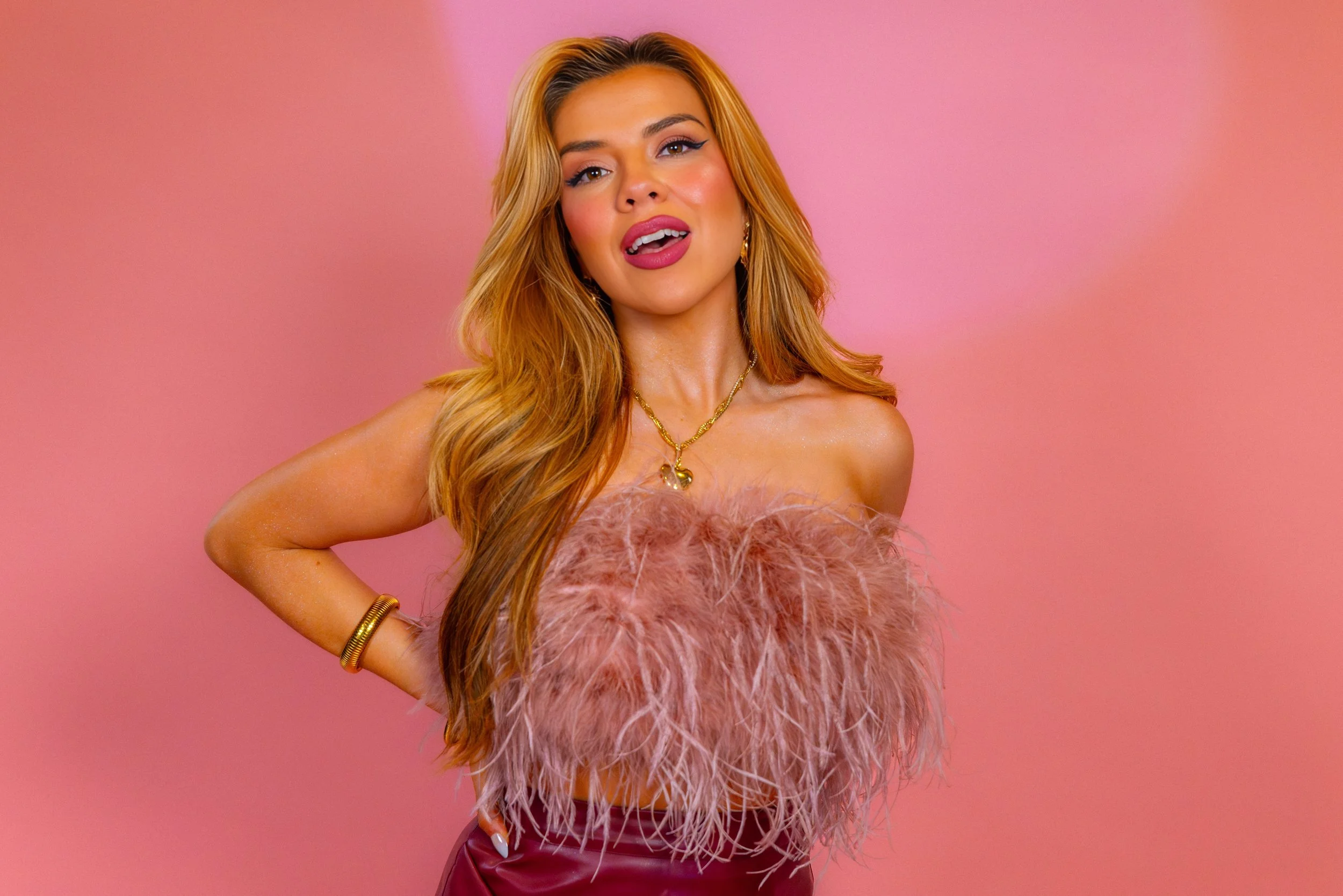
The Making of “With The Artist”
In this exclusive episode of With The Artist, presented by Chase Hartwell Productions, we sit down with the incredible Elia Esparza to talk about her new album, Not To Be Dramatic. 💿 Elia opens up about the inspiration behind the record, the emotions that shaped each song, and how this project captures her most authentic self yet. From writing sessions to studio moments, she shares the stories that bring Not To Be Dramatic to life. ✨ Tune in for a raw and inspiring conversation with one of today’s most dynamic voices in music. 🎧 Subscribe for more exclusive artist interviews, behind-the-scenes moments, and original music content.
We are always looking for new ways to capture beauty and tell compelling stories. Over the past few years, our cameras have moved from stunning portraits and sleek real estate listings to mouth-watering restaurant features. Now that we have established our own dedicated rental studio, we're embarking on our most exciting venture yet: filming the vibrant, creative lives of Nashville's local artists.
This journey began with a simple but powerful idea: to use our visual expertise to showcase the unique talent thriving right here in our city.
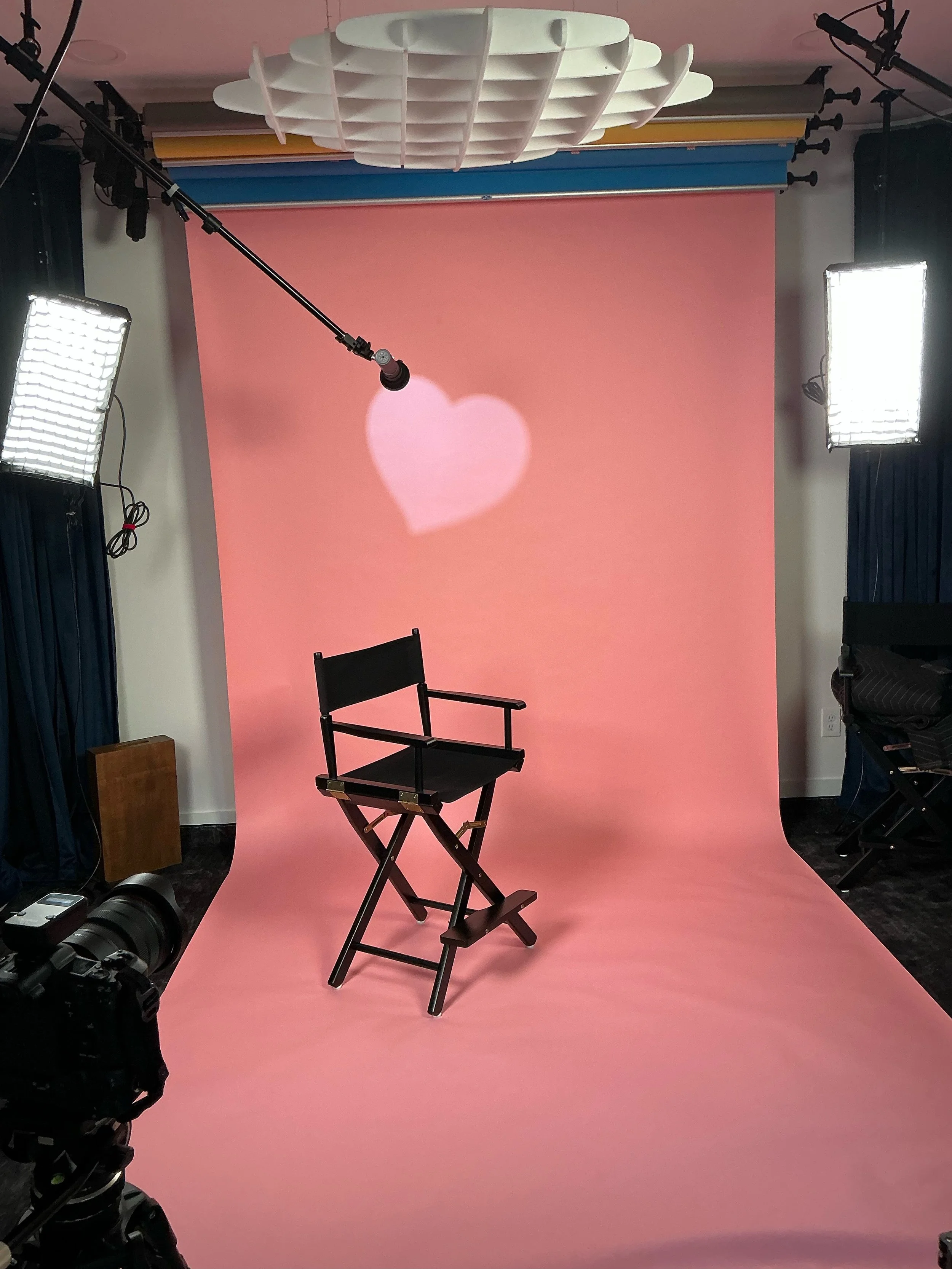
The Strategy
To truly understand and capture the creative process, we needed to dive in. Our amazing assistant, Arianna, compiled a crucial lead list, and our Digital Marketing Manager reached out to dozens of local creators with an offer we hoped they couldn't refuse: A free promotional film package.
This wasn't just a giveaway—it was a strategic partnership. For the artist, it meant high-quality footage to use for their website, grants, or social media. For us, it meant the chance to expand our portfolio into a challenging, highly rewarding niche.
Behind the Lens: The 3-Step Artist Filming Process
Capturing an artist's world is fundamentally different from a commercial shoot. It requires sensitivity, patience, and a deep respect for their workflow. Here is a look at how we approached filming this new segment:
The Pre-Production Deep Dive
Before a single camera was turned on, we had to become experts in the artist's specific medium. We often prioritize using prime camera and lenses for beautiful depth-of-field, like our trusted Canon R5C. If we are filming a sculptor, we prioritize lighting that emphasizes texture and shadow. If it’s a painter, we focus on capturing the vibrancy of the color palette. For a musician, it's all about the mood and the soundscape. We collaborate to create a shot list that moves beyond the finished product and focuses heavily on the process— the detailed work that the public rarely sees.
Shoot Day: The Art of Being Invisible
Our main goal on the day of the shoot is to be as unobtrusive as possible. The artist needs to forget we are there so they can enter their creative flow. Artists often work in spaces designed for light. We complement the natural light with soft, controlled fill light using our Amaran to ensure beautiful exposure without disrupting the atmosphere.
Post-Production: Weaving the Narrative
The edit suite is where we transform raw footage into a compelling story. Artist segments thrive on a slower, more deliberate pace that allows the viewer to truly soak in the creative energy.
The Future of Our Lens
This new venture with Nashville's artists is already proving to be incredibly inspiring. It’s challenging our team to think creatively, use our gear in new ways, and truly understand the power of visual storytelling beyond traditional commerce.
Ready to Tell Your Story?
Are you a Nashville artist looking for high-quality visual content to elevate your craft and reach a wider audience? We'd love to collaborate!
Are you a business owner in Nashville seeking to capture your brand's unique essence? Explore our portfolio and see how we can bring your vision to life.
Inspired by our journey? Follow us on social media for more behind-the-scenes glimpses and creative insights!
Note: Some links in this blog post are affiliate links, which means if you click on them and make a purchase, we may receive a small commission at no extra cost to you. We only recommend products and services that we genuinely use and believe will add value to our readers. Your support helps us continue to create free and helpful content like this!
5 Steps to Maximize Your Commercial Shoot Day

Photographer: Lisa King
Commercial photography shoots involve many moving parts. You are no longer in the comfort of your own studio or simply packing gear to head to the park. Commercial photography means you are shooting for a business, often for advertising or marketing materials. You are now stepping into another business owner's space to represent their brand, and that role is not one to be taken lightly.
When you are representing something that someone has built and watched grow (like a baby), you want to exceed their expectations and embody their vision. All this is to say that it is extremely easy to grab the wrong lens or forget your light. It has happened to all of us. We get so caught in the moment of trying to visualize and craft the perfect shot that we overlook the small stuff.
This is where this blog comes in to help. Here are 5 steps to maximize your commercial shoot day.
Step 1: Plan with a Purpose
Define your goals early, but don't worry about the exact angle yet. Knowing your end goal will ultimately guide your lighting, composition, and pacing (e.g., Are you creating a new website hero image, updating menus, or capturing social content?).
Step 2: Prepare your Space
Tidy, style, and light your location before the crew arrives. Clear all the clutter, polish the glassware, and stage key products or dishes. A 15-minute prep can save you hours in post-production.
Step 3: Coordinate your Team
Make sure chefs, managers, bartenders, or staff members know the schedule and their roles. Nothing says setback like being in the moment and finding out your manager is running food. Keep backups of props, ingredients, and uniforms (you just never know).
Step 4: Batch and Flow
Group similar shots together (all your bar cocktails, then all the entrées). This will help keep your lighting consistent and reduce setup downtime.
Step 5: Review in Real Time
Take a few minutes in between setups to review key shots on set. Adjust composition or styling while everything is still in place—not later.
These 5 simple but helpful steps are going to maximize your time and resources, making every commercial photography shoot run smoothly. But we know the pre-shoot anxiety is real. To help ease the pre-shoot stress, we've put together a Commercial Photography Shoot Checklist of everything you will need to have a seamless shoot.
In the end, you want to provide the best experience for every one of your clients. Click here to download your free Pre-Shoot Checklist for Photographers and elevate your client experience today!
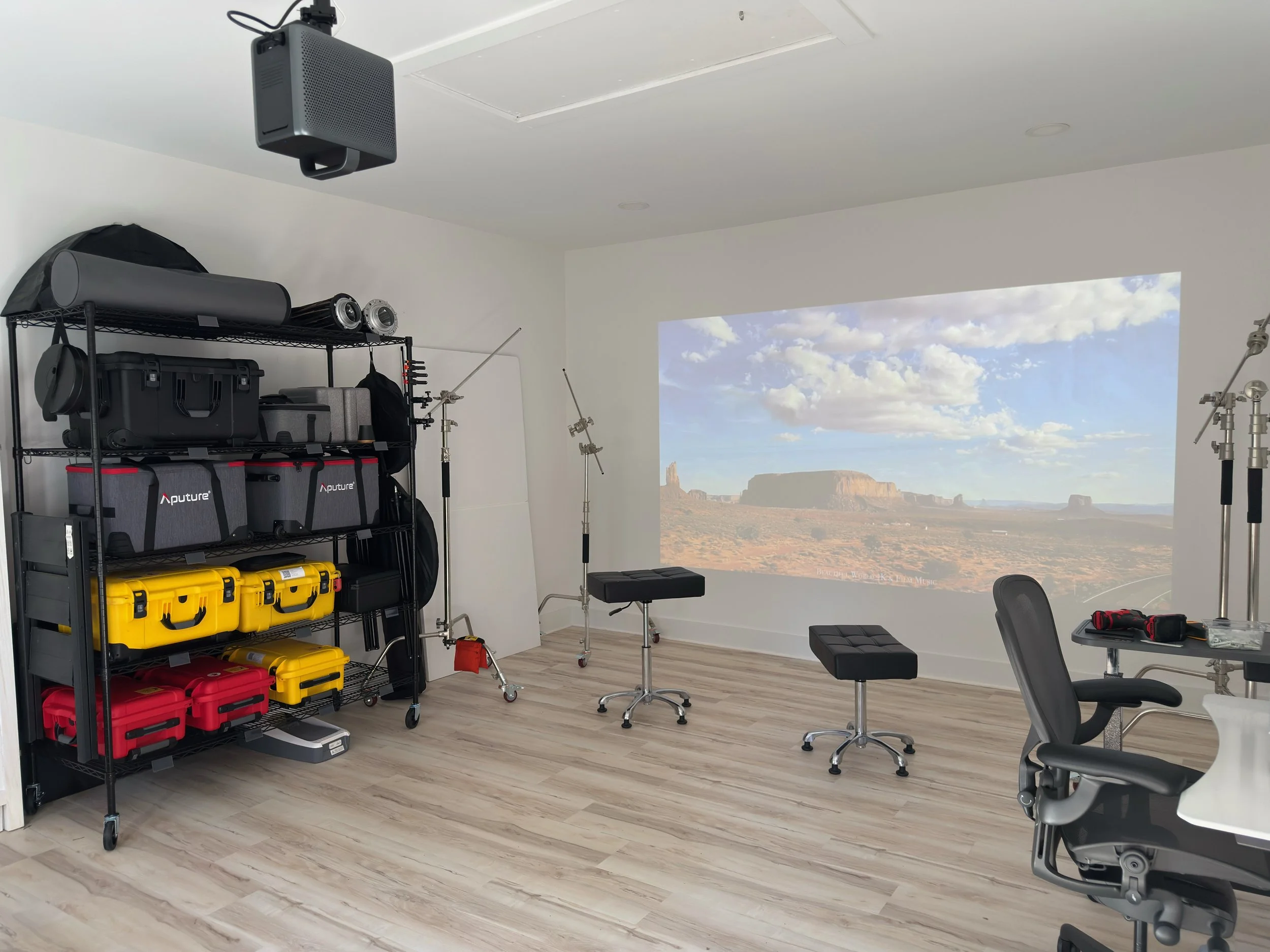
A New Chapter For CHP
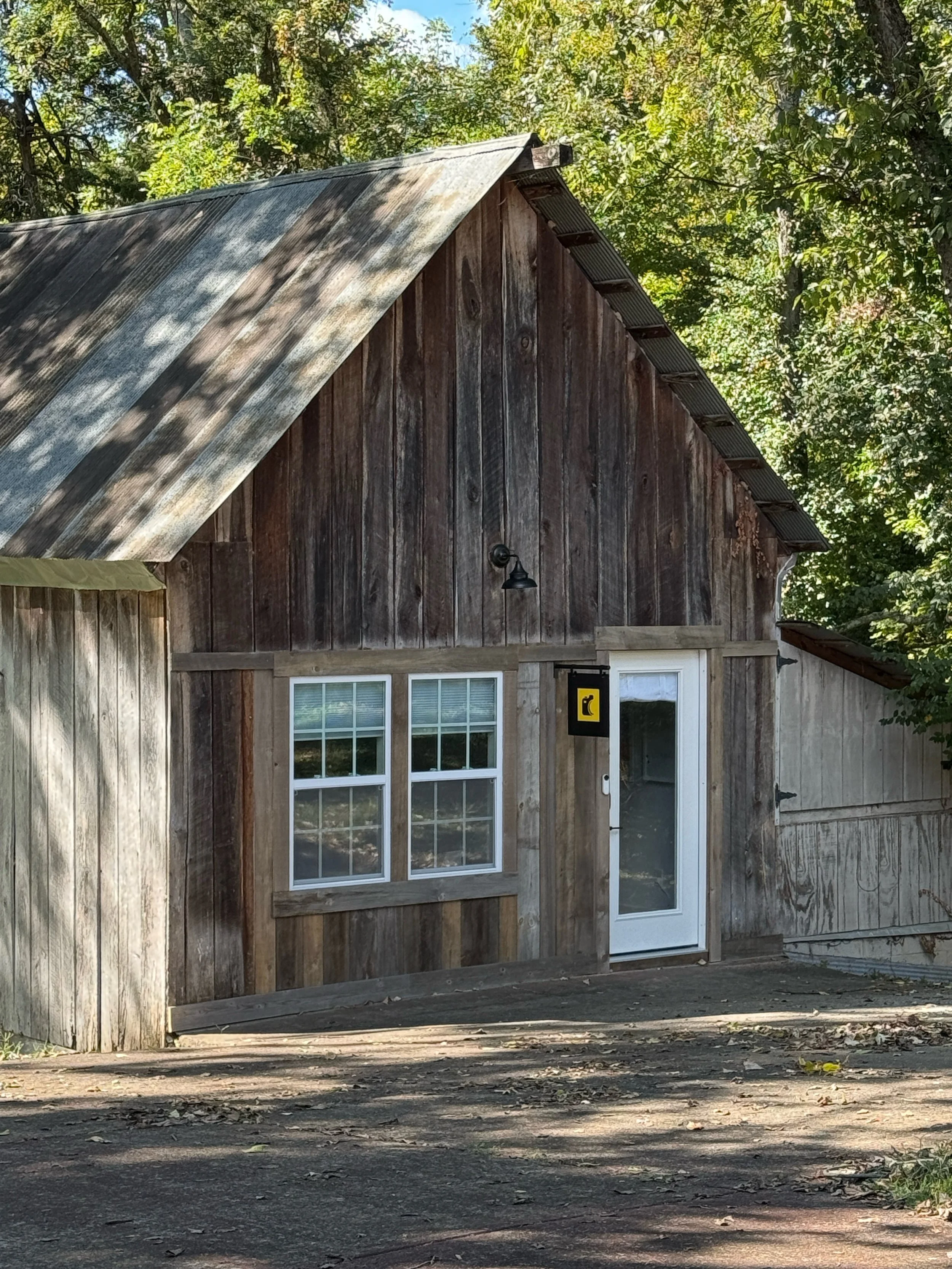
Our new Chase Hartwell Productions studio has a story — one that started long before the cameras rolled.
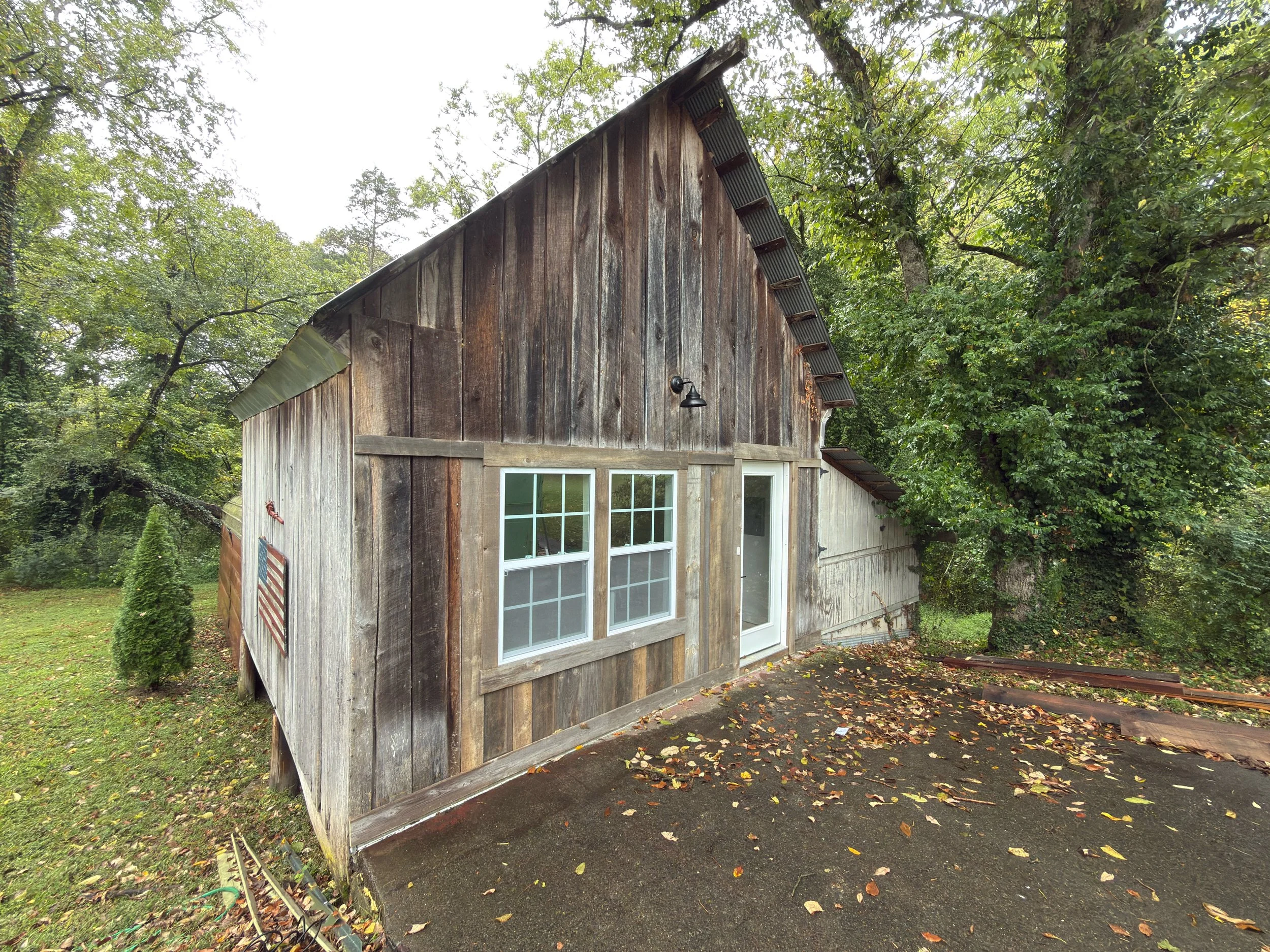
Built in the 1950s, it was once a quiet barn, later transformed into a working garage. Today, it’s something entirely new: a creative space where light, sound, and story come together under one roof.
Every crack holds a bit of history — a reminder that creativity doesn’t just happen in sleek new buildings, but in spaces that have lived many lives.
Now, this old barn-turned-studio in Brentwood, TN has found its next purpose — to capture stories, create connection, and celebrate the art of visual storytelling.
🎬 Welcome to the new home of Chase Hartwell Productions.
When you first stepped into the old building that’s now home to Chase Hartwell Productions, it didn’t look like a studio — it looked like a story waiting to be told. Built in the 1950s, it began as a barn, later became a garage, and now, decades later, it’s a place built for creativity. The exterior still carries the character of every chapter — worn wood, solid foundation, and soft light sneaking through the windows. We didn’t want to erase that history; we wanted to build on it. To honor the craftsmanship that came before us, and to give it new life as a space where ideas, brands, and people come together to create something cinematic and timeless.
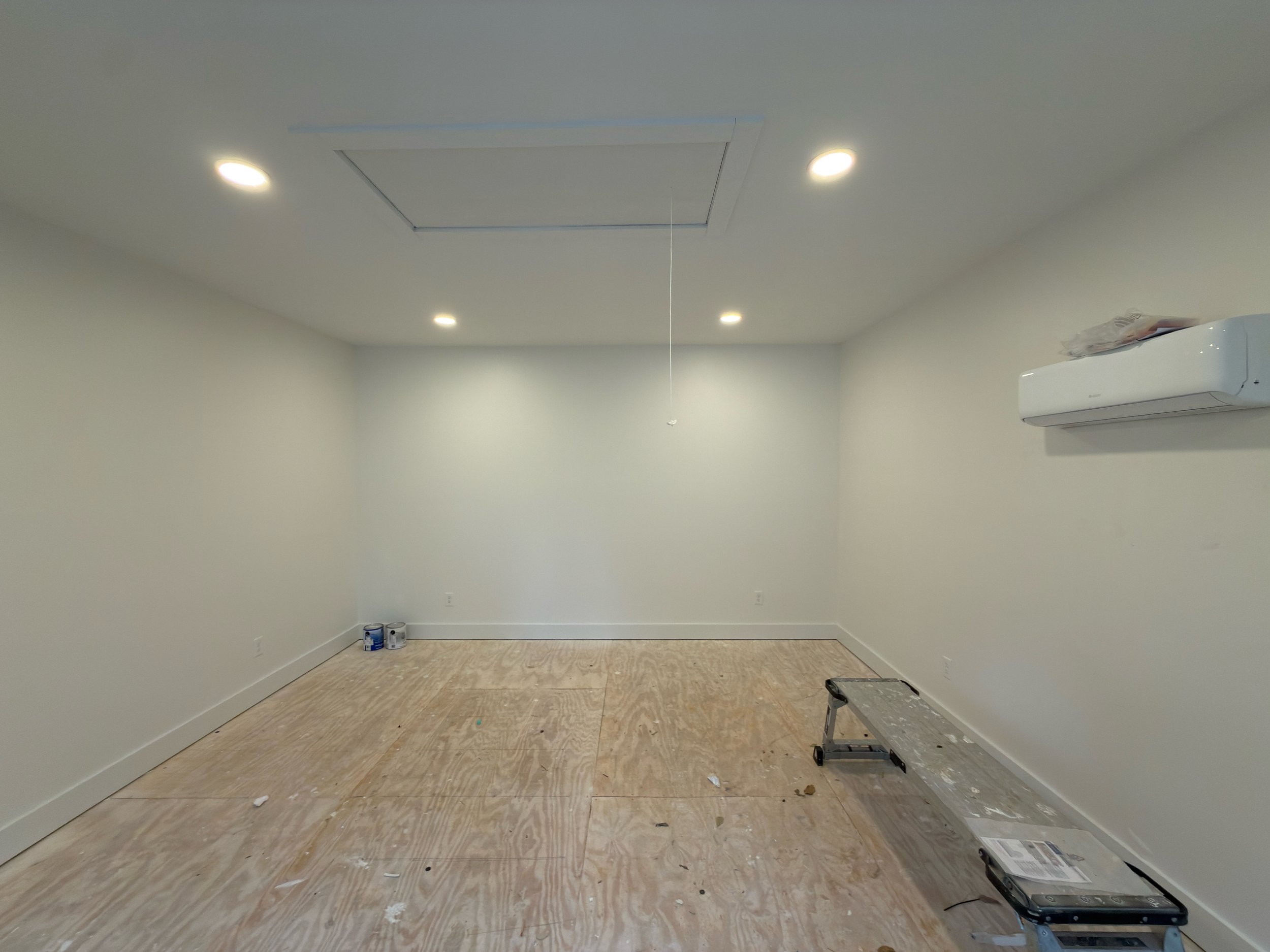
The smell of lawn and oil filled the room as we started to clear it out. Now, let’s be honest, this does not sound like somewhere you want to bring your clients and take pictures. We get it! After cleaning it up, stripping it down, we watched the amazing transformation for months. The drywall went up, the electricity and AC went in, and the floors finished what was now our amazing new creative space.
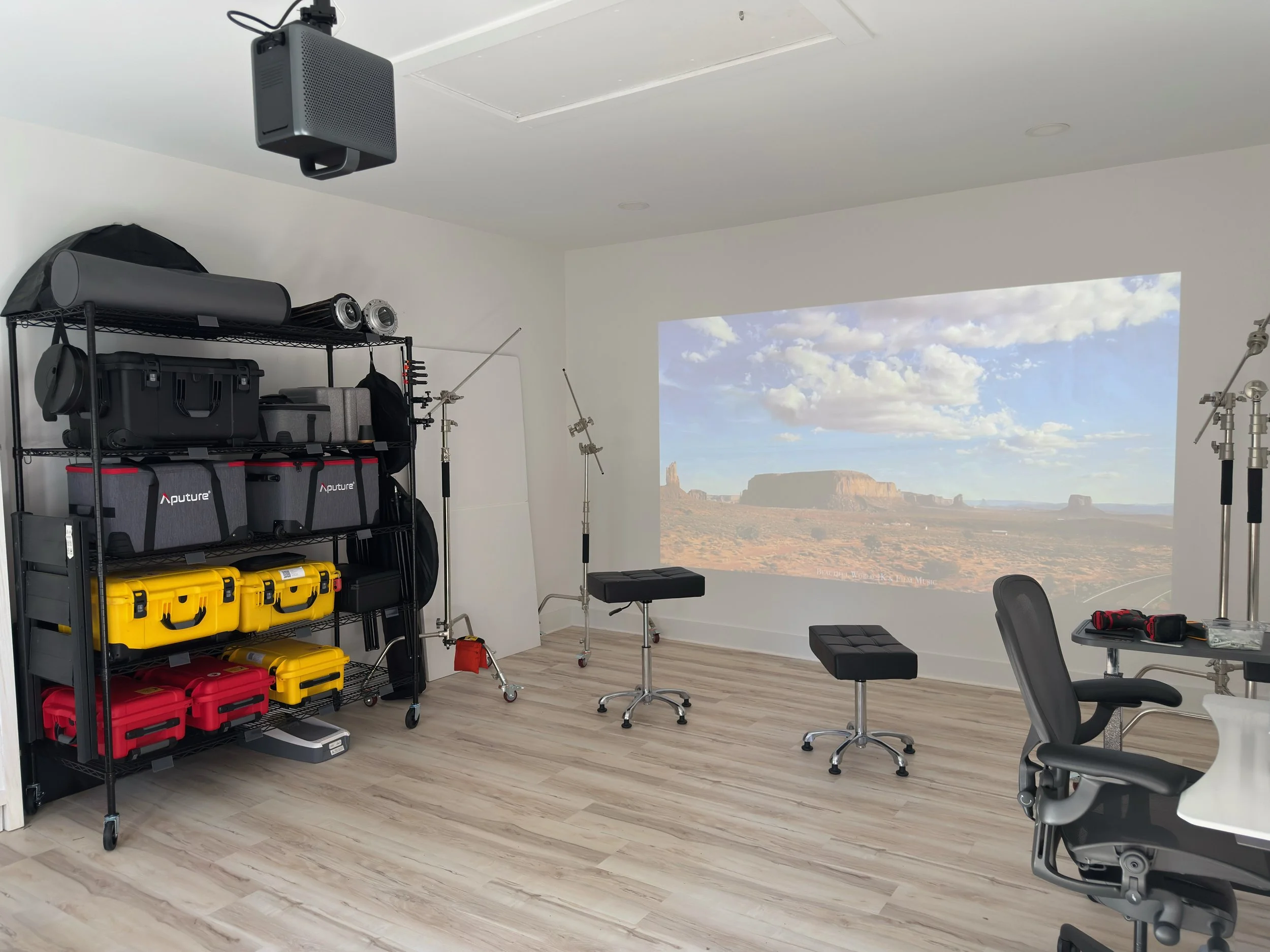
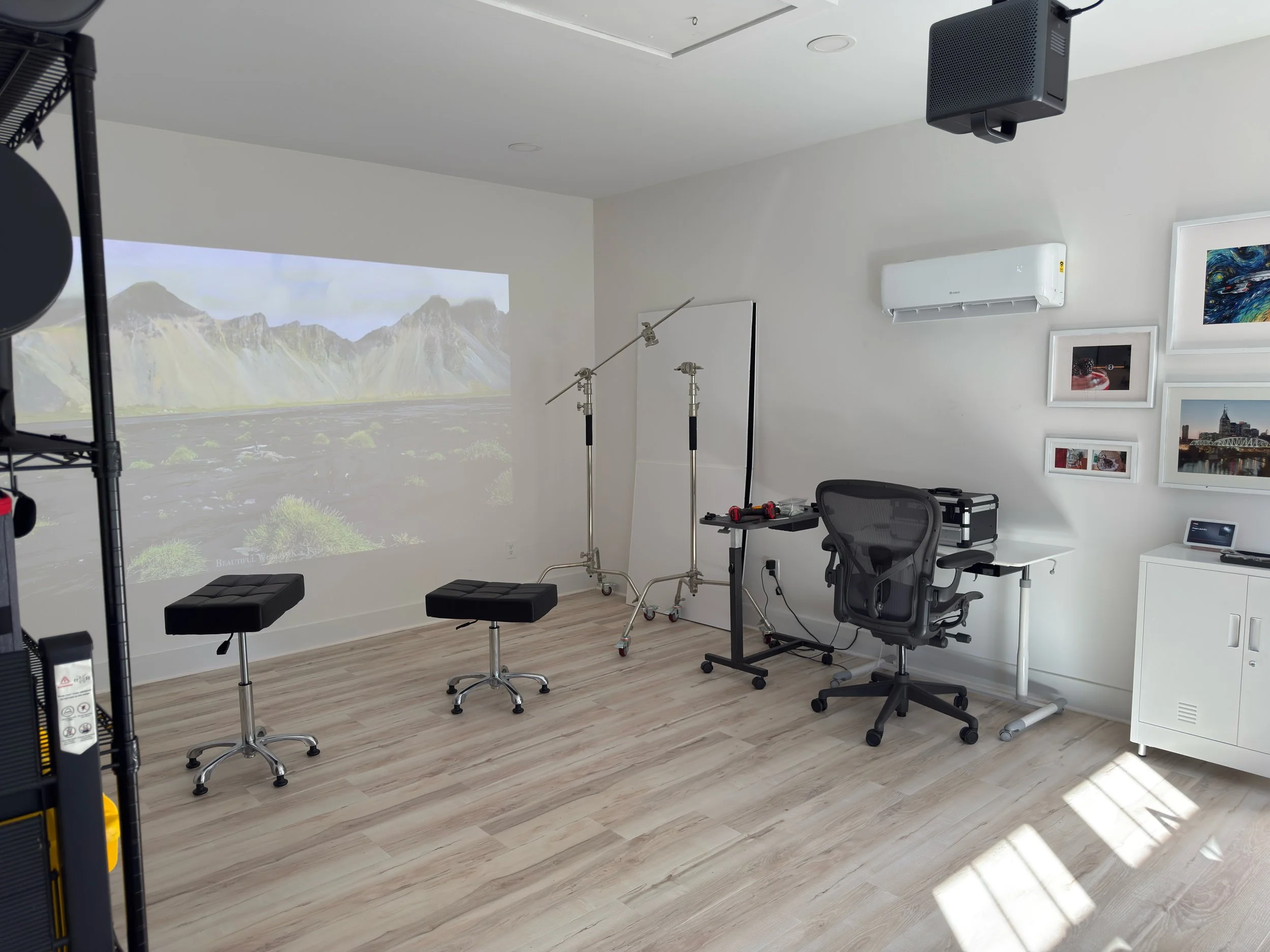
What sets us apart is the equipment we provide:
📽️ Projector
🖥️ Monitor
⽥ Field Monitor
🔇 Sound Absorber
🖨️ Photo Printer
What makes this space special isn’t just the design or the equipment — it’s the story it holds. It’s a place where the past and present meet, where hard work and imagination collide. We kept the integrity of the old structure — the original framing, the texture, the history — but layered in everything we needed to create professional, cinematic content that feels human and intentional.
Now, this studio isn’t just our headquarters — it’s a home for collaboration. Whether we’re filming a brand campaign, shooting editorial content, or capturing drone footage that tells a story from above, every project starts here — in a space built with care, creativity, and a deep respect for its roots.
Standing in it now, it’s hard not to think about how far we’ve come — from a dusty barn built in the 1950s to a fully realized creative studio built for the future. And honestly? It’s just the beginning.
This post contains affiliate links. If you make a purchase through one of these links, I may earn a small commission at no extra cost to you.